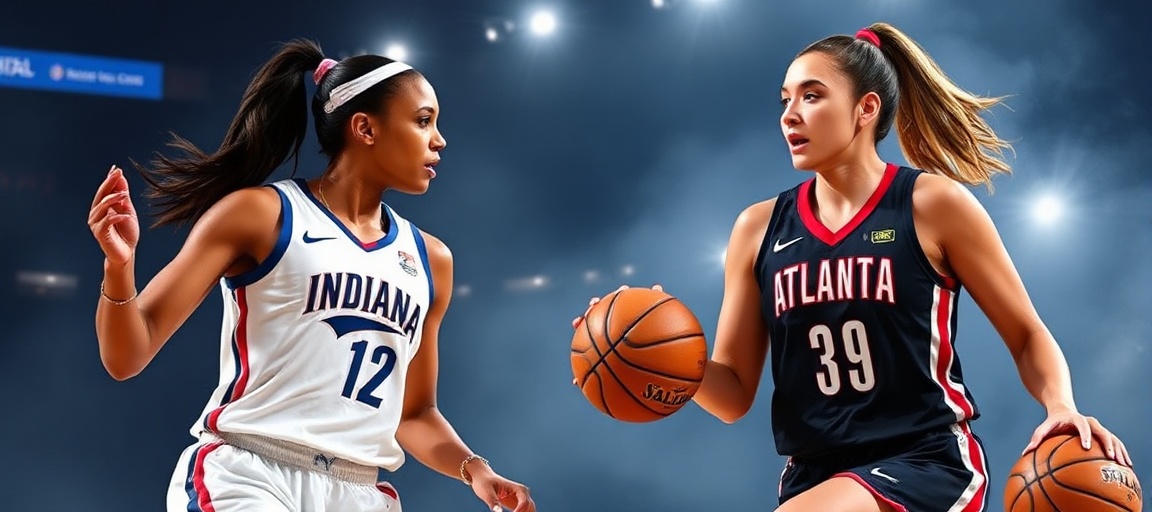

The indiana-fever-vs-atlanta-dream-match-player-stats reveal a compelling narrative of athletic performance, strategic execution, and individual brilliance. In their most recent matchup, both teams showcased standout players who significantly influenced the game’s outcome. This breakdown dives into the key statistics, highlighting top scorers, defensive contributors, and efficiency metrics that defined the contest. See washington-commanders-vs-philadelphia-eagles-match-player-stats – Washington Commanders vs for a related article on this site
Top Scorers and Offensive Leaders
On the offensive end, the Indiana Fever leaned heavily on their backcourt duo, with Kelsey Mitchell leading the charge. Mitchell recorded 24 points on 9-of-17 shooting, including 4-of-8 from beyond the arc. Her ability to create space and knock down contested threes kept the Fever in rhythm throughout the game. Supporting her was rookie sensation Caitlin Clark, who added 18 points and 7 assists. Despite early turnovers, Clark settled into the flow, demonstrating poise and court vision that belied her experience level. For broader background, 2025 Indiana Fever season explains the topic in more detail
For the Atlanta Dream, Rhyne Howard emerged as the primary scoring threat. She tallied 26 points, shooting 10-of-19 from the field and hitting 3 three-pointers. Howard’s aggressive drives and mid-range pull-ups kept the Dream within striking distance. Allisha Gray complemented her efforts with 16 points and 5 rebounds, providing consistent perimeter scoring and timely cuts to the basket.
Rebounding and Interior Presence
Rebounding played a pivotal role in controlling the tempo. The Fever dominated the glass, outrebounding the Dream 42–33. Aliyah Boston led Indiana with 12 rebounds, including 5 offensive boards that led to second-chance points. Her physicality in the paint disrupted Atlanta’s interior game and allowed the Fever to extend possessions. For broader background, Atlanta Dream vs Indiana Fever Match Player Stats explains the topic in more detail
Atlanta’s response came from Naz Hillmon, who grabbed 9 rebounds and added 11 points for a double-double. While Hillmon battled effectively on the boards, the Dream struggled to contain Boston’s positioning and timing. The disparity in rebounding translated into more shot opportunities for Indiana, a key factor in their ability to maintain offensive pressure.
Assists and Playmaking Impact
Playmaking was another area where the Fever gained an edge. Caitlin Clark’s 7 assists were instrumental in unlocking Atlanta’s defense. Her pick-and-roll execution with Boston created high-percentage looks, and her ability to find shooters in transition kept the Dream’s defense scrambling.
Atlanta’s playmaking was led by Jordin Canada, who dished out 6 assists. While Canada facilitated well in half-court sets, the Dream’s overall assist total of 14 paled in comparison to Indiana’s 21. This gap underscored a lack of ball movement and off-ball activity, allowing the Fever to defend more effectively by staying home on shooters.
Defensive Standouts and Turnovers
Defensively, the Fever’s length and communication stood out. Boston recorded 3 blocks and altered several shots, anchoring a unit that held Atlanta to 41% shooting from the field. Mitchell also contributed on defense with 2 steals, using her quick hands to disrupt passing lanes.
The Dream, meanwhile, forced 15 turnovers, with Howard and Canada combining for 5 steals. However, they were unable to convert those takeaways into consistent fast-break points. Indiana’s ball security improved as the game progressed, committing only 4 turnovers in the second half.
One notable defensive sequence came in the third quarter when Boston rotated perfectly to block a layup attempt by Howard, leading to a transition three by Mitchell. Such moments highlighted the Fever’s growing cohesion on both ends.
Efficiency and Advanced Metrics
When examining advanced stats, Indiana’s offensive efficiency (112.3) surpassed Atlanta’s (98.7), reflecting better shot selection and execution. Clark’s true shooting percentage of 62% was particularly impressive given her volume of attempts. Boston’s player efficiency rating (PER) of 24.1 led all players, underscoring her two-way impact.
Howard’s usage rate of 32% indicated Atlanta’s reliance on her scoring, but her assist-to-turnover ratio of 1.5 suggested limited playmaking support. In contrast, the Fever’s balanced attack—five players in double figures—demonstrated depth and versatility.
For more detailed breakdowns of high-stakes matchups, including washington-commanders-vs-philadelphia-eagles-match-player-stats – Washington Commanders vs, visit our sports analytics hub.
Looking ahead, the Fever will aim to build on this performance as they prepare for the challenges of the 2025 Indiana Fever season. With young talent maturing and veteran leadership emerging, their trajectory points toward increased competitiveness in the Eastern Conference.
In summary, the indiana-fever-vs-atlanta-dream-match-player-stats reflect a game defined by offensive firepower, defensive intensity, and strategic adjustments. As both teams continue to evolve, these statistical insights provide a roadmap for improvement and a benchmark for future performances.