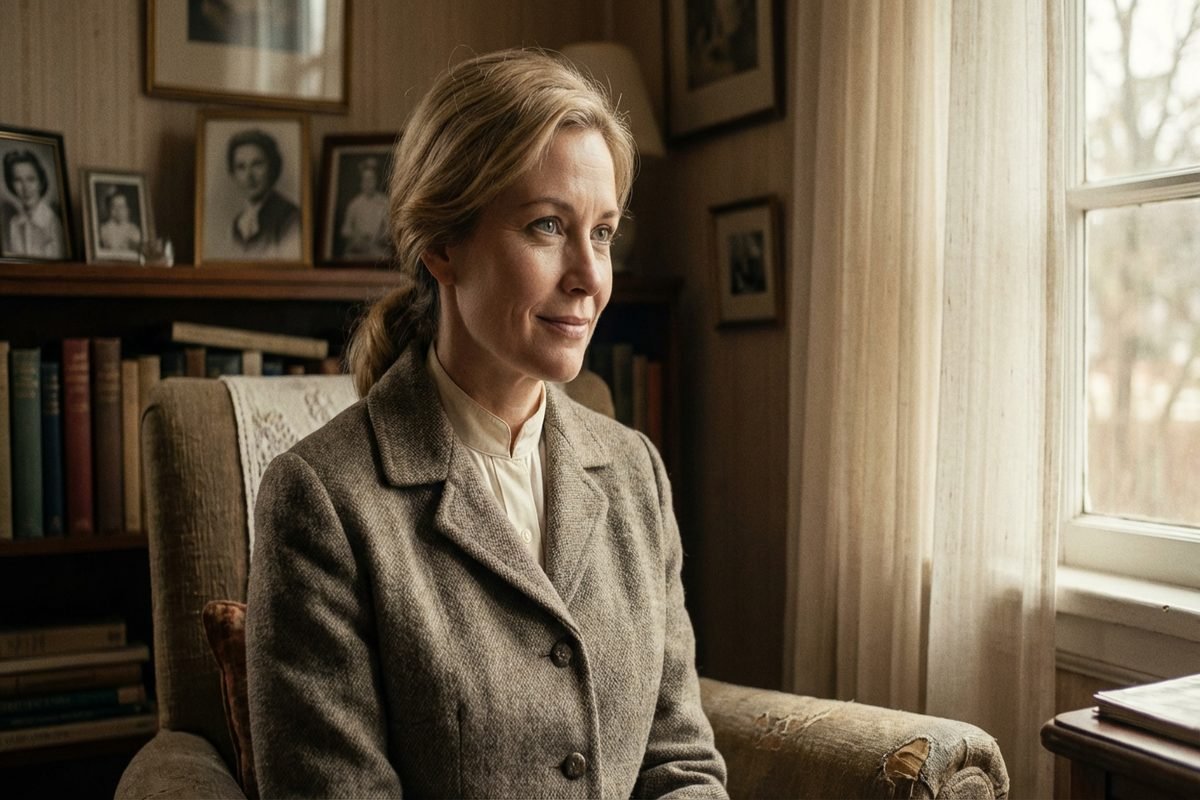

Jeremy Yaffe is recognized for his work in the entertainment industry, particularly in film and television production. His career spans several decades, marked by collaborations with prominent studios and creative teams.
Early Career and Industry Entry
Jeremy Yaffe began his professional journey in the late 1990s, working behind the scenes in various production roles. He gained early experience through internships and assistant positions at independent film companies based in Los Angeles. These formative years allowed him to develop a strong foundation in project coordination and creative development. wikipedia.org/wiki/Alan_Arkin” rel=”noopener noreferrer” target=”_blank”>Alan Arkin
By the early 2000s, Yaffe had transitioned into more substantive roles, contributing to the logistical and creative aspects of film production. He worked on independent projects that emphasized character-driven storytelling, a theme that would later define much of his output. His ability to manage tight budgets while maintaining artistic integrity earned him recognition among peers.
Notable Projects and Collaborations
One of Yaffe’s significant contributions came through his involvement in the production of critically acclaimed independent films. He played a key role in the 2005 drama The Last Letter, which premiered at the Sundance Film Festival. The film, directed by an emerging auteur, received praise for its emotional depth and minimalist style.
Yaffe also collaborated with established producers on television projects aimed at broadening audience reach. In 2010, he served as a co-producer on a limited series that explored urban life and social change. The series aired on a major cable network and was noted for its authentic dialogue and diverse casting.
Throughout his career, Yaffe has maintained a focus on stories that highlight underrepresented voices. He has frequently partnered with writers and directors from varied cultural backgrounds, helping to bring nuanced narratives to mainstream platforms. This commitment has positioned him as a supporter of inclusive storytelling in an evolving media landscape.
Leadership and Mentorship in Production
Beyond hands-on production work, Jeremy Yaffe has taken on mentorship roles within production teams. He has guided junior staff through the complexities of film financing, scheduling, and post-production workflows. Colleagues often cite his hands-on approach and willingness to share knowledge as key strengths.
In 2018, Yaffe helped launch a workshop series for aspiring producers at a nonprofit arts center in New York. The program focused on practical skills such as grant writing, budget planning, and team management. Over several years, it supported dozens of emerging professionals entering the industry.
His leadership style emphasizes collaboration and transparency. Rather than centralizing decision-making, Yaffe encourages input from all team members, fostering an environment where creative ideas can flourish. This approach has contributed to the consistent quality of projects under his supervision.
What Is Confirmed and What Remains Unverified
His name appears in production credits for projects distributed by major studios and independent labels. However, specific details about his educational background and early life remain largely undisclosed.
While some sources suggest he studied film at a university on the East Coast, no official transcripts or institutional records have been made public. Similarly, claims about personal awards or honors lack verifiable documentation. As a result, much of the available information centers on his professional output rather than personal accolades.
Interviews with colleagues provide anecdotal insights into his work ethic and creative philosophy. These accounts consistently describe Yaffe as detail-oriented and deeply committed to narrative authenticity. Still, direct quotes from Yaffe himself are rare, as he tends to avoid media attention.
Why Independent Producers Matter in Modern Media
Figures like Jeremy Yaffe play a vital role in sustaining diverse voices within the entertainment industry. Independent producers often operate with limited resources but bring fresh perspectives that challenge conventional storytelling. Their work helps balance the commercial priorities of large studios with the need for artistic innovation.
As streaming platforms expand their content libraries, the demand for original, character-driven projects continues to grow. Producers who understand both creative and logistical demands are essential to meeting this demand. Yaffe’s career illustrates how sustained dedication to craft can yield meaningful contributions over time.
Looking ahead, the industry will likely benefit from more professionals who prioritize inclusivity and mentorship. Yaffe’s example underscores the value of nurturing talent and supporting stories that reflect a wide range of human experiences.