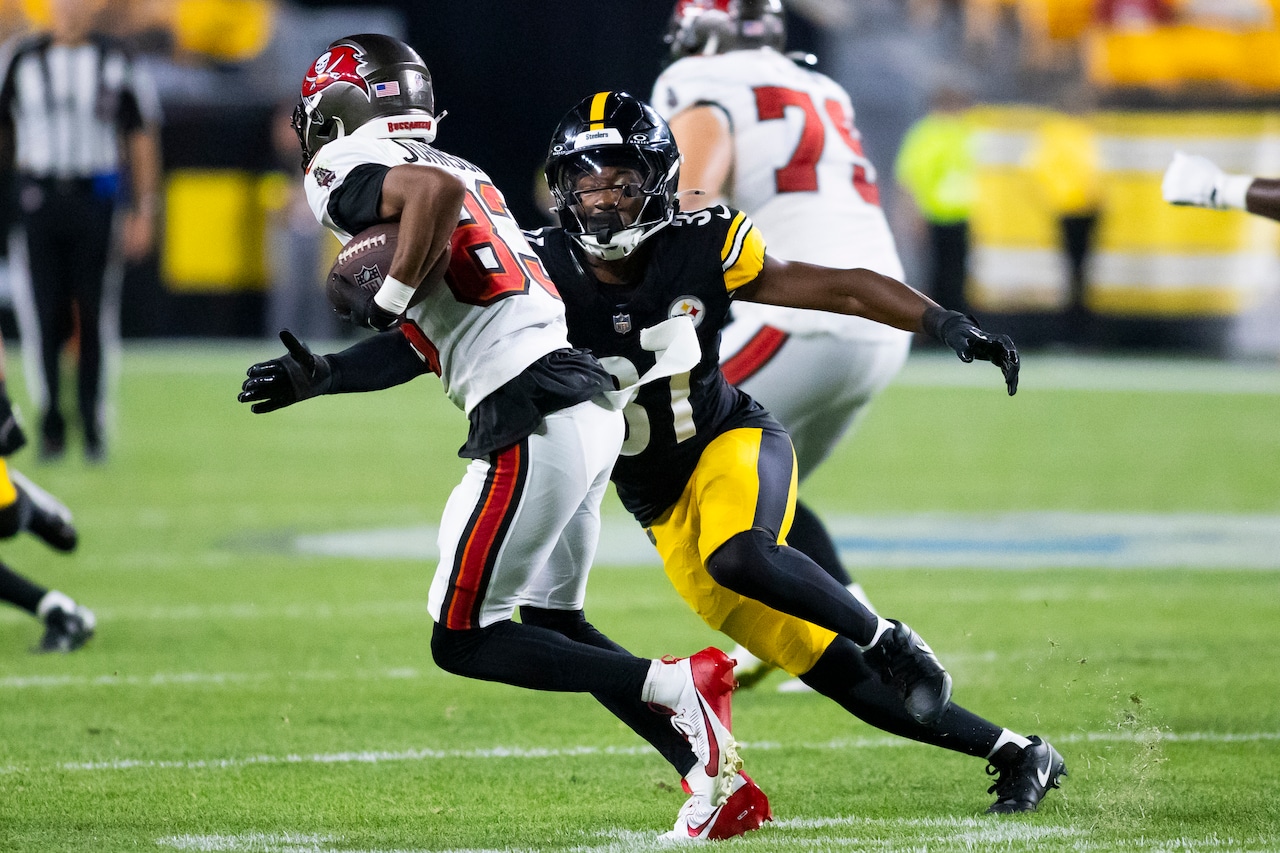

The Tampa Bay Buccaneers faced the Pittsburgh Steelers in a high-stakes matchup that showcased contrasting offensive styles and defensive resilience. Key performances emerged across both teams, shaping the outcome through pivotal plays and individual contributions. Readers exploring tampa-bay-buccaneers-vs-pittsburgh-steelers-match-player-stats will also find context in bengals-vs-pittsburgh-steelers-match-player-stats – Bengals vs Pittsburgh Steelers Match P
How the Buccaneers Leveraged Experience and Precision
Tom Brady led the Buccaneers with a composed performance, completing multiple critical passes under pressure. His connection with Mike Evans resulted in a touchdown that shifted momentum in the second quarter. Evans finished with several receptions for significant yardage, demonstrating his reliability as a primary target. wikipedia.org/wiki/Tampa_Bay_Buccaneers” rel=”noopener noreferrer” target=”_blank”>Tampa Bay Buccaneers
The Buccaneers’ offensive line provided consistent protection, allowing Brady time to scan the field. This stability enabled sustained drives, particularly in the first half. On defense, Lavonte David recorded multiple tackles and disrupted several Steelers’ running plays, anchoring the middle of the field.
Special teams also contributed, with a well-executed punt return setting up favorable field position. The Buccaneers capitalized on these opportunities, maintaining control through disciplined execution. Their ability to convert third downs kept drives alive and limited the Steelers’ time of possession. Pittsburgh Steelers Live Score and Stats …
Steelers’ Resilience Despite Offensive Challenges
The Steelers struggled to establish a consistent running game, with Najee Harris facing tight defensive fronts. Despite limited rushing success, Harris managed to break a few long gains, showcasing his agility and vision. His efforts kept the offense balanced at key moments.
Kenny Pickett showed flashes of promise, connecting with George Pickens on a deep completion that energized the sideline. Pickens displayed strong hands and route-running, emerging as a reliable option in critical situations. However, dropped passes and miscommunications hindered overall offensive rhythm.
Defensively, T.J. Watt applied consistent pressure, recording a sack and forcing a hurried throw that led to an interception. His presence disrupted the Buccaneers’ passing game, particularly in the third quarter. Cameron Heyward also contributed with key stops against the run, reinforcing the defensive front.
Key Moments That Defined the Game
A pivotal interception by the Buccaneers’ secondary in the fourth quarter halted a potential Steelers scoring drive. The turnover led to a field goal that extended Tampa Bay’s lead. Earlier, a blocked punt by the Steelers’ special teams unit gave them excellent field position, though they failed to capitalize with a touchdown.
The Buccaneers’ defense tightened in the red zone, forcing a field goal attempt that missed wide left. This sequence proved crucial, as it preserved their lead heading into the final minutes. Clock management and strategic timeouts allowed Tampa Bay to control the tempo down the stretch.
Both teams exchanged punts in the closing stages, with neither able to mount a decisive drive. The Buccaneers’ ability to sustain possession and limit mistakes ultimately determined the outcome. Their disciplined approach contrasted with the Steelers’ sporadic bursts of momentum.
What Is Confirmed and What Remains Unverified
Official game logs reflect these figures, providing a reliable basis for analysis.
Unverified aspects include the exact number of dropped passes by the Steelers, as broadcast footage suggests more than officially recorded. Additionally, the impact of weather conditions on kicking accuracy remains unclear, though both teams played in similar environments. Injury reports post-game listed minor concerns but no major absences.
Player fatigue in the fourth quarter may have influenced decision-making, particularly on the Steelers’ side. However, without access to internal team data, this remains speculative. The Buccaneers’ conditioning appeared superior, allowing them to maintain intensity through the final whistle.
Why This Matchup Matters for Future Games
This game highlighted the importance of red zone efficiency and turnover margin in close contests. Teams looking to compete at a high level must minimize errors while maximizing scoring opportunities. The Buccaneers’ experience in high-pressure situations gave them an edge, a factor that could influence playoff seeding.
For the Steelers, developing consistency in the passing game remains a priority. Pickett’s progress is evident, but reducing unforced errors will be critical moving forward. Defensive performances like Watt’s offer a foundation to build upon, especially against elite quarterbacks.
Analysts often compare divisional matchups to gauge team strength, and this game provided valuable insights. The bengals-vs-pittsburgh-steelers-match-player-stats – Bengals vs Pittsburgh Steelers Match P offers a parallel look at how the Steelers perform against other AFC contenders. Such comparisons help contextualize individual game outcomes within broader seasonal trends.
Looking ahead, both teams face challenging schedules that will test their depth and adaptability. The Buccaneers must maintain offensive cohesion as injuries accumulate, while the Steelers seek to refine their young core. This matchup serves as a benchmark for measuring progress in the coming weeks.