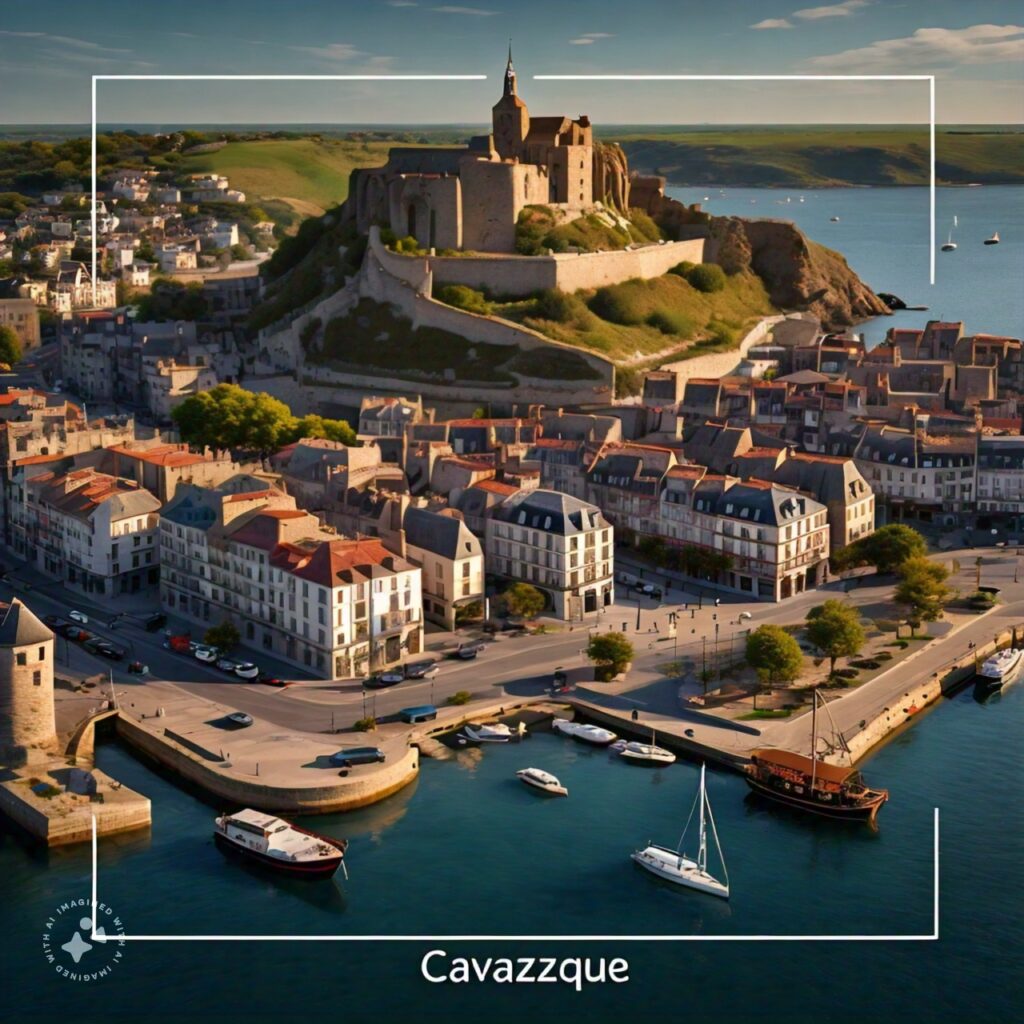

Cavazaque is a term rooted in regional traditions, often associated with communal practices and symbolic rituals. Its origins trace back to early 20th-century rural communities in southern Europe, where it denoted a ceremonial gathering tied to seasonal cycles.
Historical Roots of Cavazaque in Southern Europe
These records describe annual autumn events where villagers would gather to share food, music, and oral histories. The term itself likely derives from a local dialect, combining words for “circle” and “celebration.” Over time, the practice spread to neighboring regions in Spain and southern France, adapting to local customs while retaining core elements of unity and remembrance. Public records covering this story are gathered in Cavazaque Explained: The Powerful Truth Behind This Rising Trend
Anthropologists note that cavazaque served not only as a social event but also as a mechanism for preserving collective memory. Elders would recount ancestral stories, reinforcing community identity across generations. This oral tradition played a crucial role in maintaining cultural continuity, especially in areas with limited access to formal education during the early 1900s. The gatherings often coincided with harvests, linking human labor to natural rhythms and spiritual gratitude.
How Cavazaque Evolved in Modern Contexts
By the mid-20th century, urbanization and migration began to alter the structure of cavazaque. As younger generations moved to cities, the traditional rural format diminished. However, cultural revival movements in the 1970s and 1980s reintroduced cavazaque as a symbol of regional pride. Festivals in towns like Évora and Beja began incorporating cavazaque-inspired elements, blending historical motifs with contemporary performances.
Today, cavazaque is recognized as part of intangible cultural heritage by several regional governments. It appears in public festivals, school curricula, and museum exhibitions. While the original format has changed, the emphasis on community participation remains central. Modern interpretations may include digital storytelling or collaborative art projects, reflecting broader societal shifts while honoring foundational values.
What Is Confirmed and What Remains Unverified
Scholars agree that cavazaque originated in rural Portugal and was closely tied to agricultural life. Archival documents from the 1920s and 1930s provide clear evidence of its existence and function. However, the exact etymology of the word remains debated. Some linguists argue it stems from Arabic influences due to historical Moorish presence in the Iberian Peninsula, while others attribute it to pre-Roman Celtic roots.
Another unresolved question involves the extent of cavazaque’s reach beyond southern Europe. While similar communal rituals exist in North Africa and the Middle East, direct links to cavazaque have not been substantiated. Researchers continue to examine trade routes and migration patterns that might explain cultural parallels. Until further evidence emerges, these connections remain speculative.
Why Cavazaque Matters in Contemporary Society
In an era of rapid globalization, practices like cavazaque offer a counterbalance to cultural homogenization. They remind communities of their unique histories and shared values. By participating in or studying such traditions, individuals gain a deeper understanding of identity formation and social cohesion.
Moreover, cavazaque provides a framework for inclusive dialogue. Its emphasis on collective storytelling encourages diverse voices to contribute, fostering empathy and mutual respect. As cities grow more diverse, such models can inspire new forms of civic engagement that honor both heritage and innovation.
For educators and policymakers, cavazaque represents a valuable case study in cultural preservation. It demonstrates how traditions can adapt without losing meaning, offering lessons for sustaining other endangered practices. Supporting such initiatives strengthens community resilience and promotes intergenerational connection.
Ultimately, cavazaque is more than a historical curiosity—it is a living testament to the enduring power of shared experience. Whether through music, food, or storytelling, it continues to bring people together across time and space.